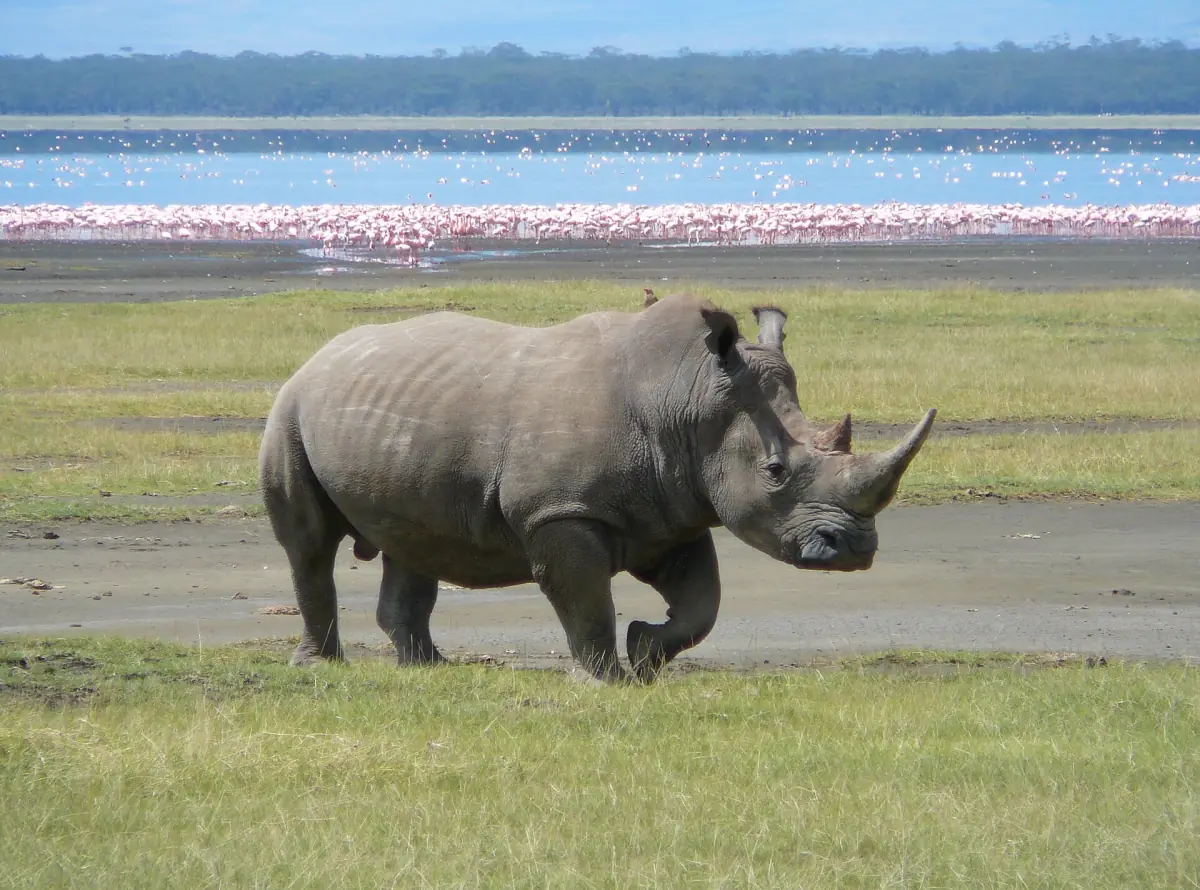
Lake Nakuru animals at a glance
Lake Nakuru National Park is also a rhino sanctuary. The Kenya Wildlife Service (KWS) dates the sanctuary to 1987 and calls it the first state-managed rhino sanctuary in Kenya. The park is home to both black and white rhinos, along with lions, leopards, giraffes, zebras and buffalo.
A species list is not a sighting guarantee. You have good chances of seeing zebras, buffalo and birds on a normal drive, and the other animals take patience and luck. A driver who knows the park helps, and our Lake Nakuru safari guide explains how game drives work, with the rules you must follow.
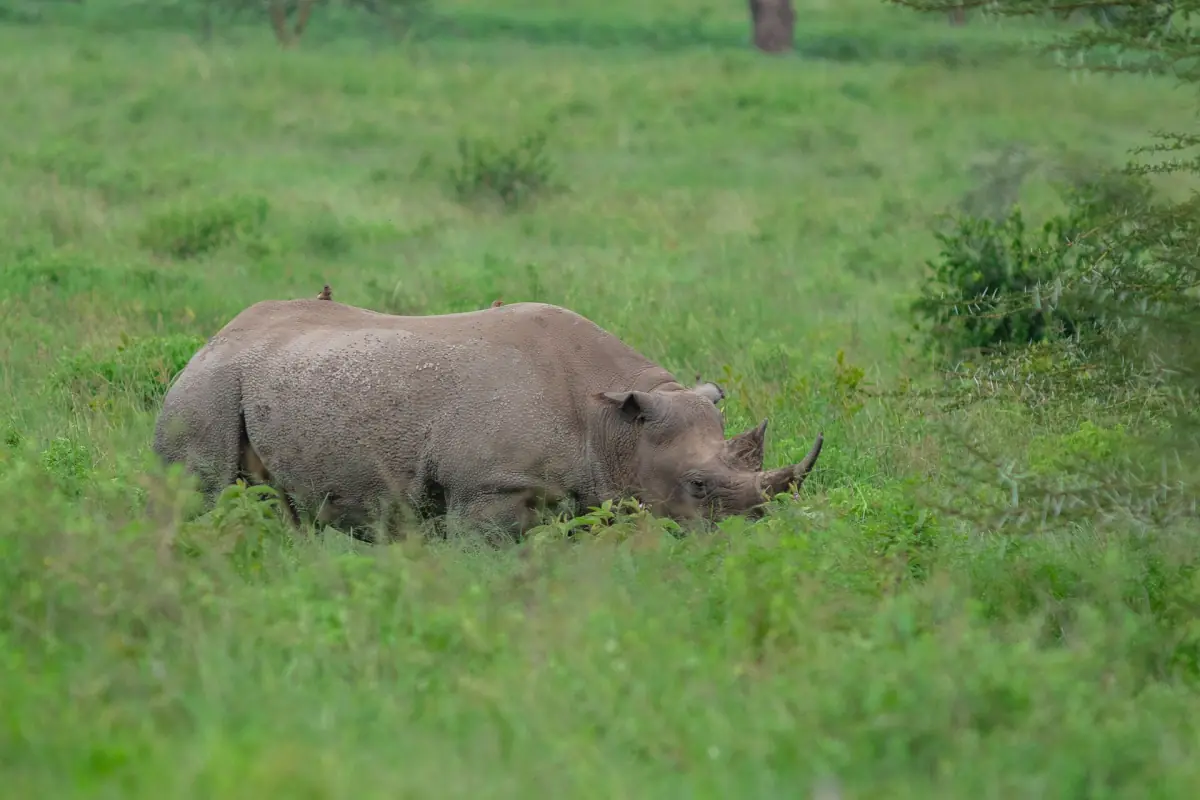
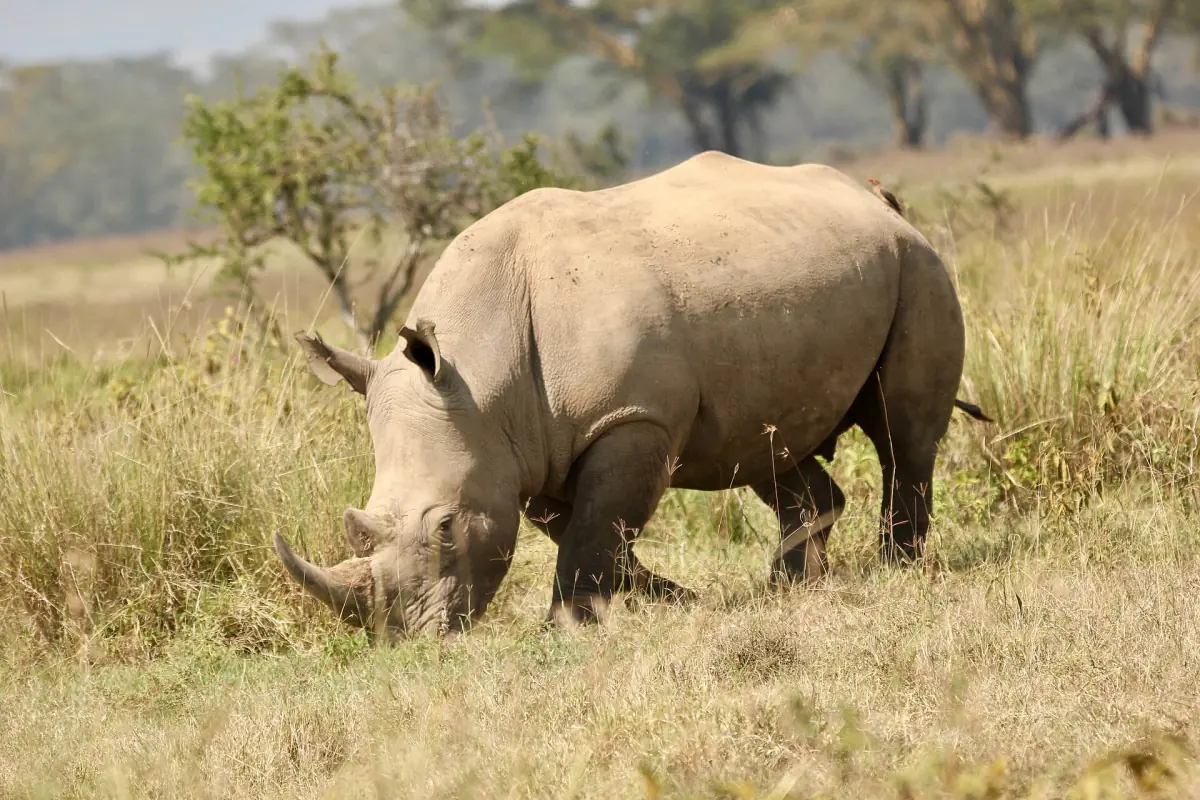
Rhinos at Lake Nakuru
Two rhino species live at Lake Nakuru, black rhinos and white rhinos. The park has had an electric fence since 1986 and the rhino sanctuary since 1987. Rhino numbers change, so this page gives none. Ask your driver or the rangers at the gate which areas have had rhinos recently.
Keep at least 20 m away and never block an animal's path. The distance is a minimum, not permission to crowd them.
Our pick: game drive in an open-roof van
An open-roof van is made for game viewing, and what you see differs from drive to drive.
Hand-picked tours, booked through GetYourGuide. Prices are indicative starting prices in US dollars (as of October 2026). Tap a tour for live availability and the current price in your currency.
Lake Nakuru tours and day trips
Day trips and safaris to Lake Nakuru National Park, with live prices and availability.
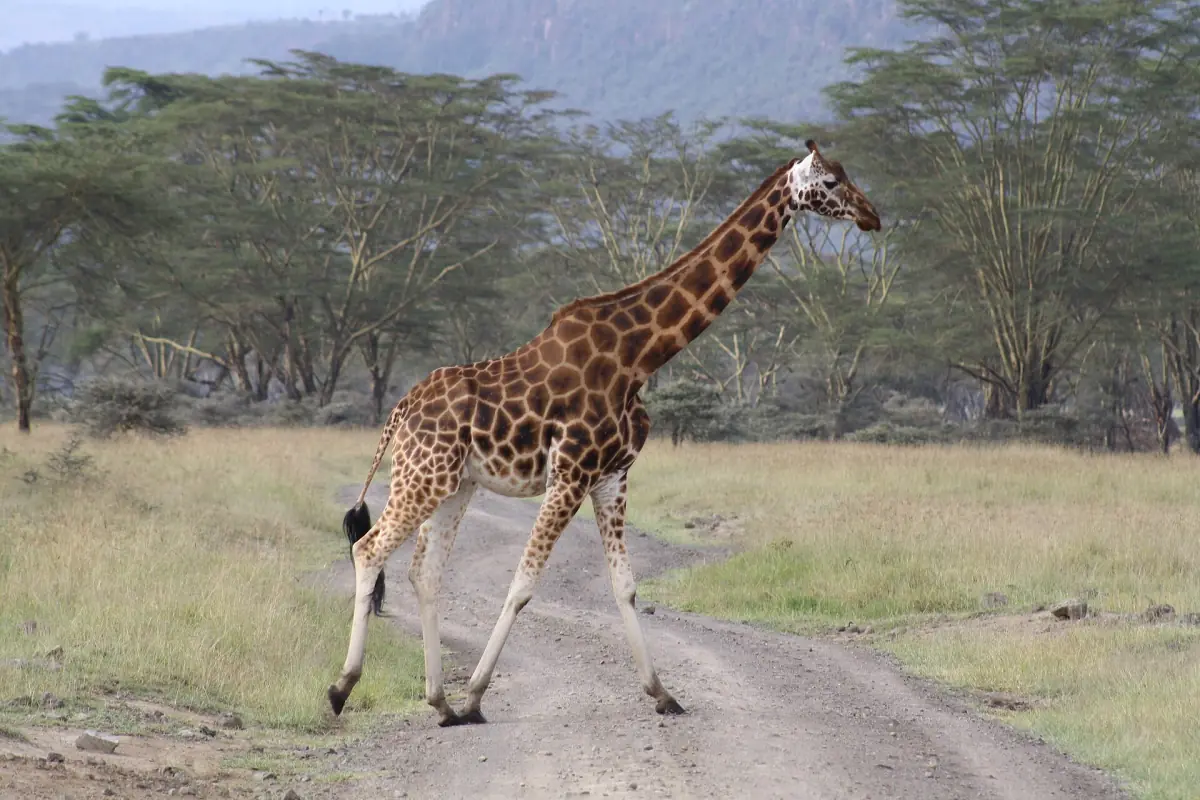
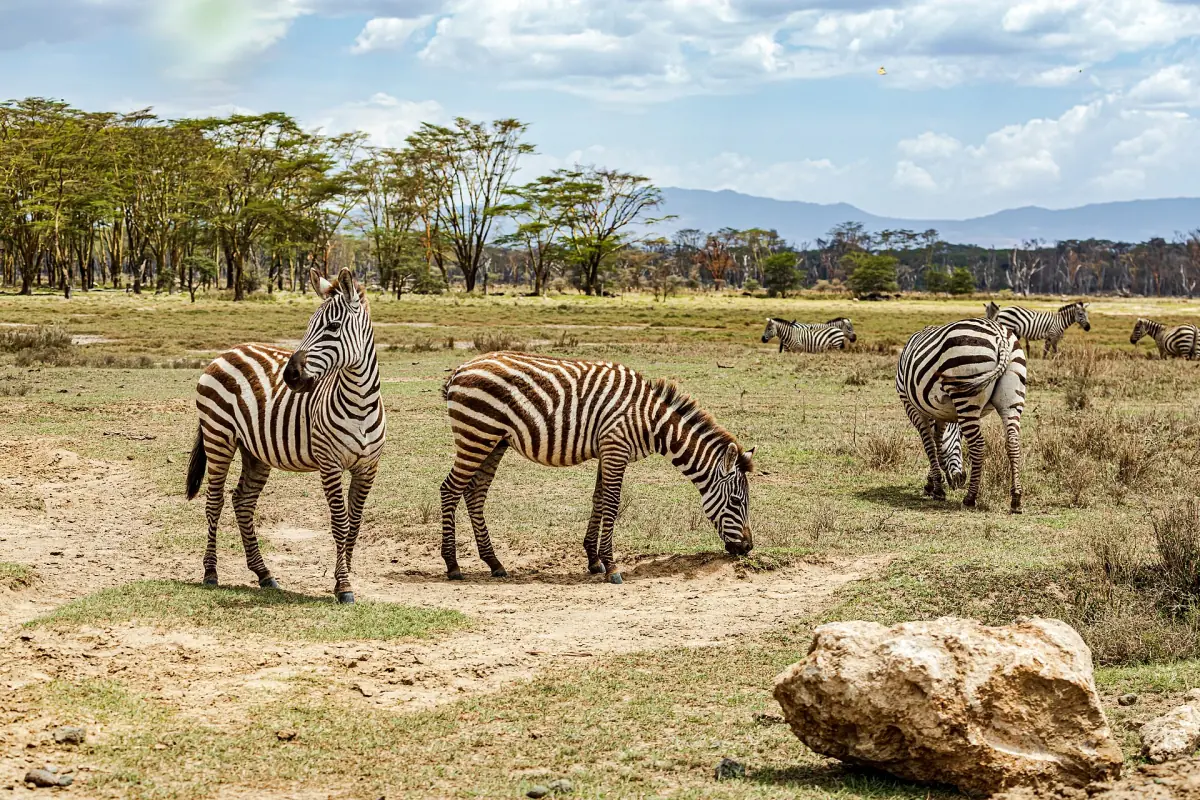
Lions, leopards, giraffes, zebras and buffalo
Lions and leopards live in the park. Both are hard to find on a single drive, so treat any sighting of a big cat as a bonus and not as the plan.
Giraffes and zebras give you better chances. Rothschild's giraffe is the type recorded at Lake Nakuru, and zebras and buffalo are among the park's grazing animals. Euphorbia trees are part of the vegetation, although fire has damaged some in the past, so do not expect untouched woodland everywhere.
Lake Nakuru birds
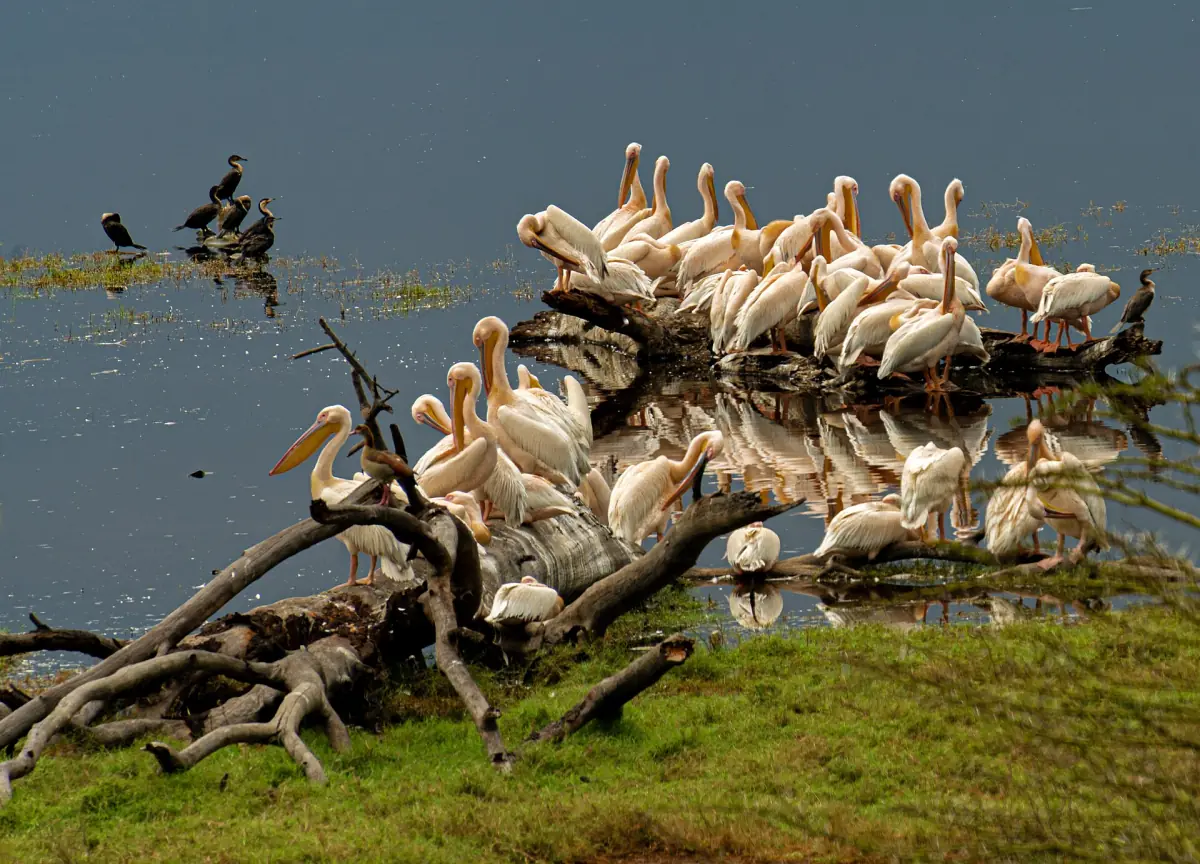
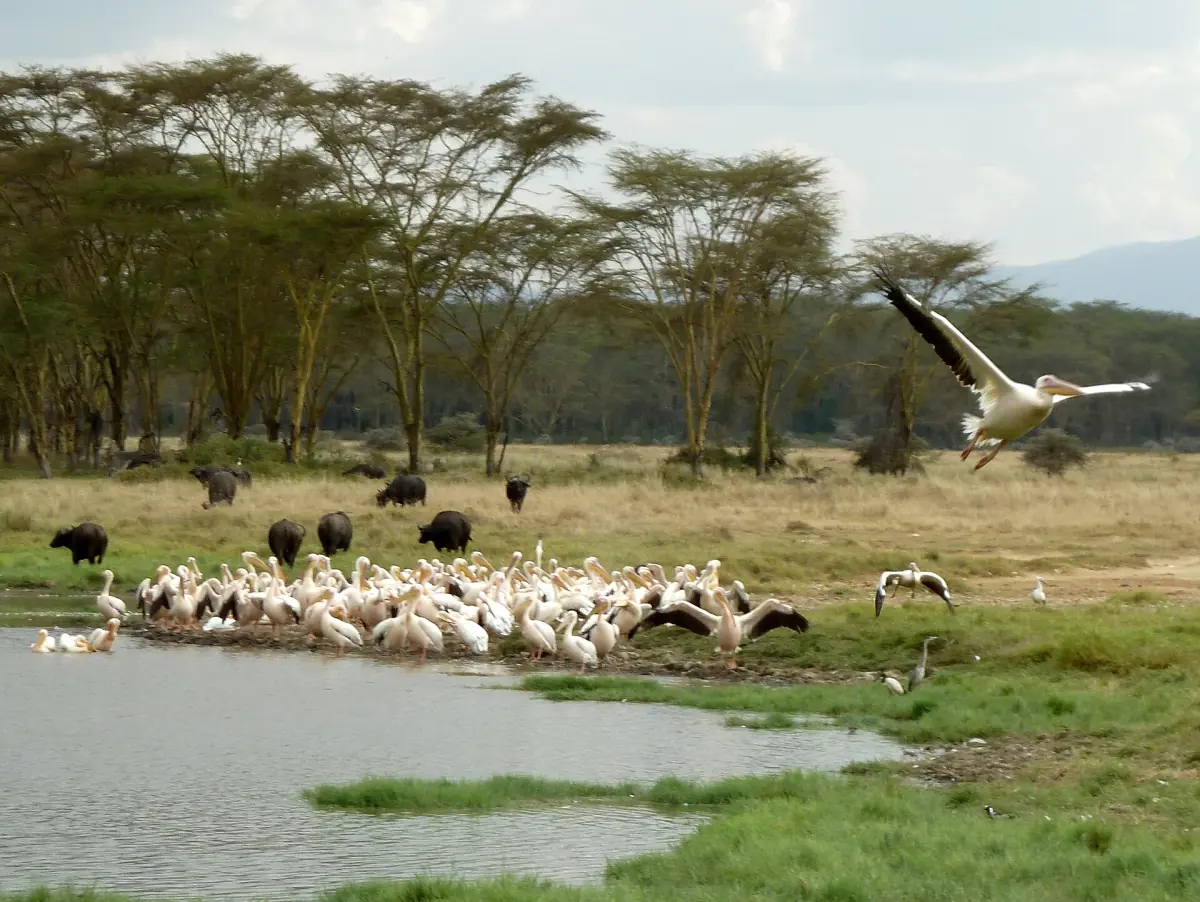
About 450 bird species have been recorded in the park, including pelicans, ospreys, secretary birds, herons, hamerkops and grebes. The number covers all habitats in the park, so you will not see all of them on one drive.
Flamingos are a separate story, because their numbers have changed a lot as the lake rose. Read Lake Nakuru flamingos: changing water levels and sightings before you count on them.
What lives in the park
Animal groups and what each one means for your drive.
| Group | In the park | Good to know |
|---|---|---|
| Rhinos | Black and white | Sanctuary since 1987, no current numbers given here |
| Big cats | Lions, leopards | A species living in the park is not a promise of a sighting |
| Giraffes | Rothschild's giraffe | Better chances than with the big cats |
| Plains animals | Zebras, buffalo | Good chances on a normal drive |
| Birds | About 450 species | Spread over several habitats, not one list per drive |
For most visitors: plan a full morning or afternoon drive, ask for the rhino areas at the gate and enjoy zebras, giraffes and birds as the reliable part of the day.
Watching animals well
The park rules in short.
Stay in the vehicle
Leave the vehicle only at designated spots. Do not leave the roads, and do not drive off the track for a better view.
Keep your distance
Stay at least 20 m from wildlife and drive no faster than 40 km/h. Give animals right of way, and do not use the horn or make noise.
No feeding, no plastic
Feeding animals is forbidden, and so is single-use plastic. Bring a reusable bottle.
Gate hours
The gates are open from 06:00–18:00, with an exception for overnight guests. Fees are on the Lake Nakuru entry fee page.
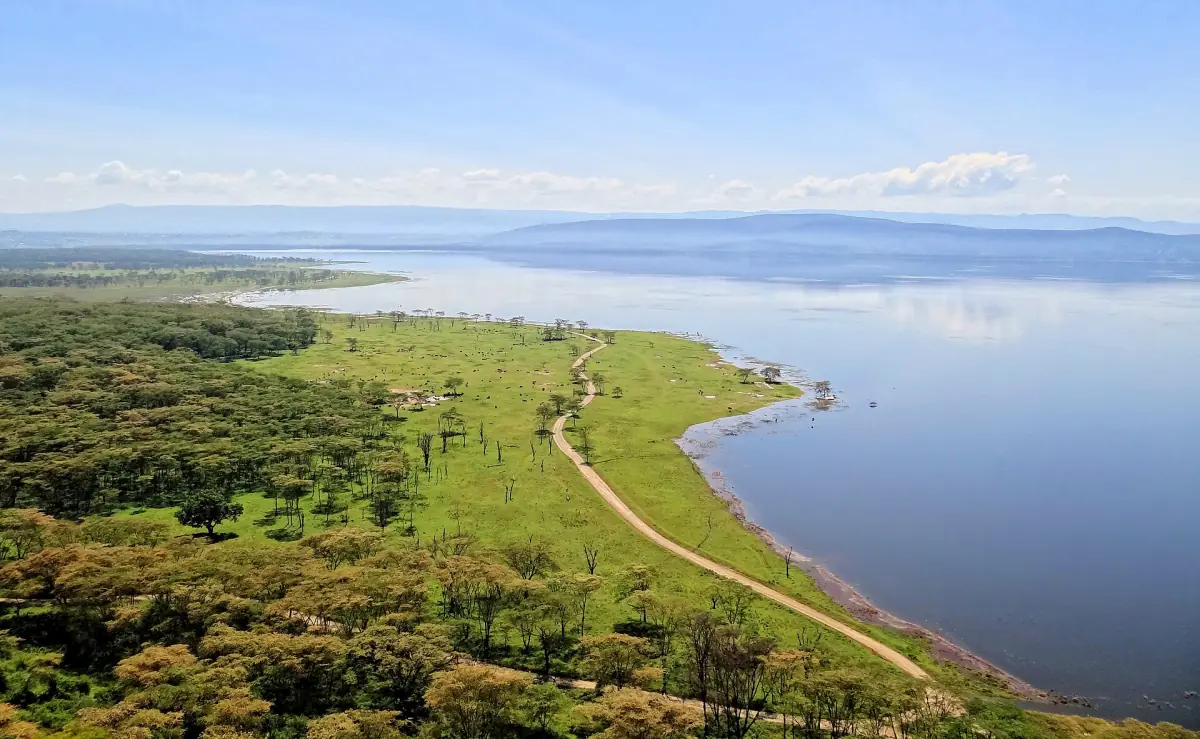
Makalia Falls and Baboon Cliff
Named viewpoints and picnic sites inside the park.
History of the park
From a bird area in 1961 to the rhino sanctuary of 1987.
Looking for lions and rhinos near the capital? See the day trips from Nairobi and the animals of Nairobi National Park. For big cats on the plains, Masai Mara wildlife has its own guide.
Lake Nakuru animals: frequently asked questions
What animals live in Lake Nakuru National Park?
The park is home to black and white rhinos, lions, leopards, giraffes, zebras and buffalo, plus about 450 bird species. That tells you what lives in the park, not what you will see on one drive.
Will I see rhinos at Lake Nakuru?
You have a chance, because the park has been a rhino sanctuary since 1987, but nobody can promise a sighting. Ask your driver or the rangers at the gate where rhinos have been seen lately.
Are there lions at Lake Nakuru?
Lions live in the park, and so do leopards. Both are hard to spot, so treat them as a bonus and not the plan.
Which birds can I see at Lake Nakuru?
About 450 species have been recorded, including pelicans, ospreys, secretary birds, herons, hamerkops and grebes. Flamingo numbers have changed a lot, so read the flamingo page before you plan around them.
Can I get out of the car to see animals?
Only at designated spots. Stay in the vehicle everywhere else, keep at least 20 m from wildlife and stay on the roads.
Is this the official Lake Nakuru website?
No. This is an independent travel guide. It is not run by the Kenya Wildlife Service or Nakuru County, and it has no connection to any safari operator, lodge or hotel.